Savor Your Way to a Healthier Heart: Delicious Lunches for Optimal Cholesterol!
Understanding Cholesterol and Dietary Impact
Many individuals believe they must completely avoid dietary cholesterol to manage their levels. However, scientific consensus has evolved, showing a minimal, if any, direct correlation between dietary cholesterol intake and blood cholesterol levels. Instead, the focus should be on the broader dietary patterns, particularly the types of fats and fiber consumed, as these significantly influence blood cholesterol.
Distinguishing "Good" and "Bad" Cholesterol
Cholesterol is categorized into two main types: Low-Density Lipoprotein (LDL) and High-Density Lipoprotein (HDL). LDL is commonly referred to as "bad" cholesterol due to its role in plaque buildup in arteries, while HDL is considered "good" cholesterol because it helps remove excess cholesterol from the body. Effective cholesterol management involves not only reducing LDL but also increasing HDL, which is vital for lowering the risk of heart disease and stroke.
The Black Bean Fajita Skillet: A Heart-Healthy Lunch Solution
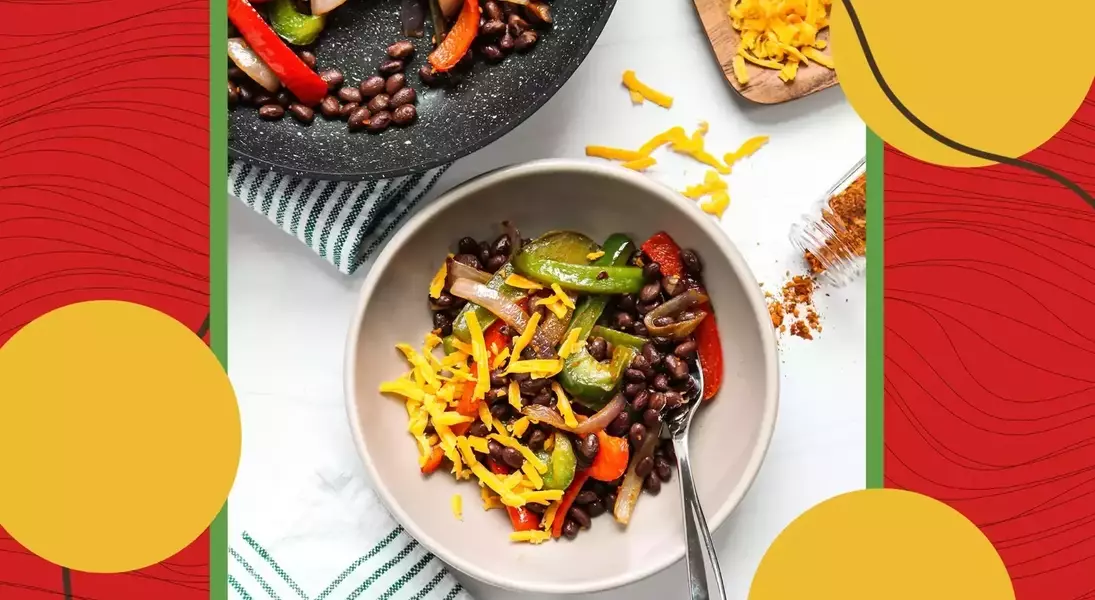
Our featured Black Bean Fajita Skillet offers an exceptional lunch option for improving cholesterol profiles. This dish is intentionally designed to be low in saturated fat and high in heart-healthy fats, derived from ingredients like avocado and olive oil, in addition to being rich in fiber. Its versatility allows for easy customization, ensuring that you can enjoy a flavorful meal that aligns with your health goals.
The Abundant Fiber Content
Fiber is a powerhouse nutrient for lowering LDL cholesterol, and this skillet delivers an impressive 17 grams per serving. Black beans, a primary component, are particularly rich in soluble fiber. Soluble fiber effectively binds with cholesterol in the digestive tract, aiding in its elimination from the body. Expert Claire Rifkin, M.S., RDN, highlights that fiber from beans and vegetables is especially potent in reducing LDL cholesterol. Beyond its cholesterol-lowering benefits, the fiber in this meal also promotes satiety by regulating hunger hormones, helping you feel fuller for longer.
Incorporating Beneficial Fats
This meal incorporates olive oil, an unsaturated fat recognized for its ability to reduce LDL levels. Olive oil, a rich source of monounsaturated fats, serves as a significant upgrade over less healthy cooking oils. Together with other beneficial fats, it plays a crucial role in safeguarding against cardiovascular diseases, including heart attacks and strokes. To further amplify the nutritional value, adding sliced avocado or serving the skillet over a bed of greens can provide additional healthy fats and fiber, enhancing both the heart-healthy benefits and the meal's lasting fullness.
Minimizing Saturated Fat Intake
While moderation is key for most dietary components, extensive research indicates that consuming excessive saturated fat can elevate LDL cholesterol and contribute to arterial plaque formation. Common sources of saturated fat include red and processed meats, ultra-processed foods, and fried items. Each serving of the Black Bean Fajita Skillet contains only 1 gram of saturated fat. If you choose to add cheddar cheese, which would increase the saturated fat content to approximately 4 grams, opting for a lower-fat cheese alternative or omitting it entirely can help maintain the dish's heart-healthy profile.
Key Attributes of a Cholesterol-Friendly Lunch
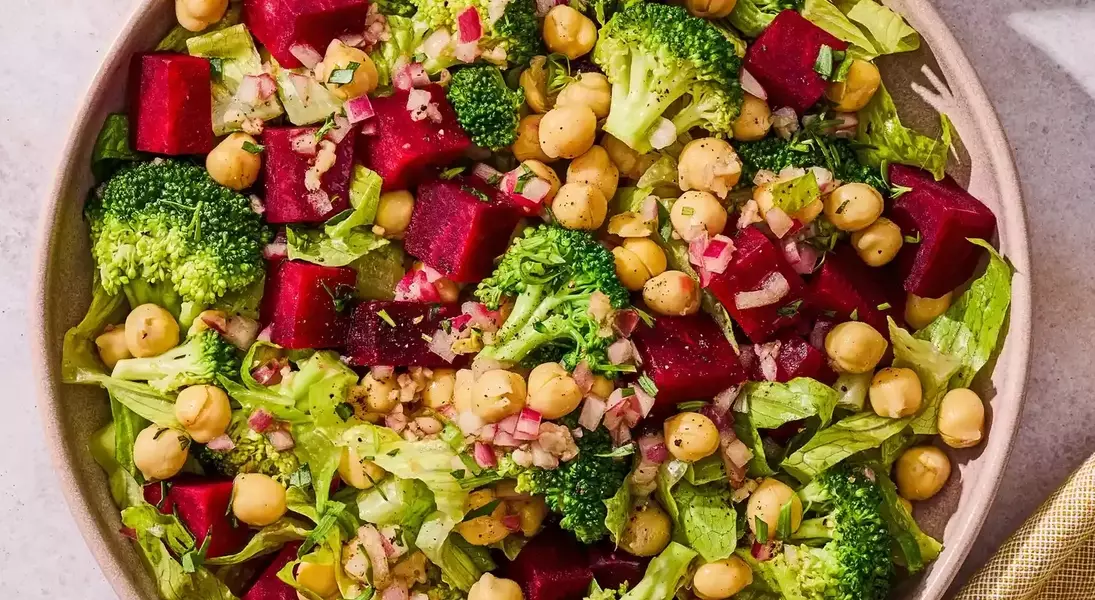
For those seeking to maintain healthy cholesterol levels, registered dietitian Claire Rifkin advises prioritizing lunches that meet specific criteria. Such meals should be packed with fiber, incorporating foods like legumes, whole grains, and vegetables to aid in LDL cholesterol reduction by preventing its absorption. It is recommended to aim for at least 6 grams of fiber per serving. Additionally, lunches should be low in saturated fat, with total intake ideally below 6% of daily calories (e.g., under 13 grams for a 2,000-calorie diet), found in foods like butter, cheese, and fatty meats. Conversely, incorporating heart-healthy fats from sources like olive oil, avocado, nuts, and fatty fish can help raise HDL and lower LDL cholesterol. Lastly, limiting trans fats, despite their reduced presence in the US food supply, is still important.
Concluding Thoughts on Heart-Healthy Eating
Embracing a cholesterol-conscious diet does not mean sacrificing flavor or enjoyment. The Black Bean Fajita Skillet exemplifies how nutritious eating can be both simple and delicious, effectively supporting cardiovascular health through its rich fiber and healthy fat content. Whether you are actively managing cholesterol or simply aiming for wholesome meal choices, this dish offers a satisfying and beneficial option.